MBA In Technology Management Navigating the Future
MBA In Technology Management sets the stage for this enthralling narrative, offering readers a glimpse into a realm where business acumen meets technological innovation. This degree is not just about acquiring knowledge; it’s about understanding the dynamic interplay between technology and management, equipping graduates with the skills to lead in an ever-evolving landscape. With a robust curriculum and a focus on practical applications, this program prepares individuals to tackle the challenges posed by rapid technological advancements.
As industries increasingly rely on technology for efficiency and growth, the significance of pursuing an MBA in Technology Management becomes clear. Graduates find themselves on diverse career paths, ranging from tech consultancy to strategic management roles, where they can make impactful decisions that shape the future of businesses.
Overview of MBA in Technology Management
The MBA in Technology Management is designed for professionals looking to enhance their expertise at the intersection of business and technology. This specialized degree empowers students to lead in increasingly complex technological environments while developing strong managerial skills. The significance of pursuing this degree lies in the growing demand for leaders who can navigate the fast-paced tech landscape and drive innovation within organizations.The core curriculum of an MBA in Technology Management combines foundational business principles with technology-focused coursework.
Students typically engage in subjects that cover areas such as strategic management, project management, information systems, and data analytics. This blend of topics equips graduates with both the technical skills and business acumen necessary to excel in leadership roles. By integrating these disciplines, the program prepares students to tackle challenges in managing technological change and leveraging new technologies to improve business operations.
Core Curriculum Ideas
The core curriculum for an MBA in Technology Management is designed to provide a comprehensive understanding of both business and technology. Key subjects often include:
- Strategic Management: This area focuses on formulating, implementing, and evaluating cross-functional decisions that enable an organization to achieve its objectives.
- Project Management: Students learn to plan, execute, and close projects effectively, with an emphasis on managing timelines, resources, and stakeholder expectations.
- Information Systems: This subject explores the role of information technology in organizations and teaches students how to manage IT resources and systems for operational excellence.
- Data Analytics: This area emphasizes the importance of data in decision-making processes, equipping students with skills to analyze and interpret data to drive business strategies.
- Innovation Management: Students learn how to foster a culture of innovation within organizations and effectively manage the innovation process from idea generation to implementation.
Potential Career Paths for Graduates
Graduates of an MBA in Technology Management can pursue various career paths that leverage their unique skill set. The integration of technology and business knowledge opens doors to numerous industries, including:
- IT Manager: Responsible for overseeing an organization’s information technology strategy and systems, ensuring they align with business goals.
- Product Manager: Focuses on the development and management of technology-based products, guiding them through the lifecycle from conception to market.
- Business Analyst: Works with organizations to improve processes and systems through data analysis and technology solutions.
- Chief Technology Officer (CTO): A senior executive responsible for the technological direction of a company, overseeing the development and implementation of new technologies.
- Consultant in Technology Management: Provides expert advice to organizations on how to improve their technology strategies and operations.
The demand for professionals equipped with an MBA in Technology Management continues to rise as organizations increasingly rely on technology to gain competitive advantages. Graduates are well-positioned to lead initiatives that drive technological advancements and improve operational efficiency in diverse business environments.
Key Skills Developed in an MBA in Technology Management
The MBA in Technology Management equips students with a diverse set of skills that are essential for thriving in today’s fast-paced technological landscape. This program not only focuses on technical expertise but also emphasizes leadership and strategic thinking necessary for effective management in technology-driven environments.
Technical Skills Gained through the Program
The curriculum is designed to enhance students’ technical prowess, enabling them to navigate complex technological systems. Key technical skills include:
- Data Analysis: Proficiency in using data analytics tools to interpret and leverage data for decision-making.
- Project Management: Understanding methodologies like Agile and Scrum for managing technology projects efficiently.
- Information Technology Management: Developing skills to manage IT infrastructure and systems, ensuring they align with business objectives.
- Cybersecurity Awareness: Gaining insights into safeguarding sensitive information and understanding the fundamentals of digital security.
- Emerging Technologies: Familiarity with innovations such as AI, machine learning, and blockchain, preparing graduates to apply these technologies in business contexts.
Leadership and Managerial Skills Emphasized
In addition to technical skills, the MBA in Technology Management focuses heavily on nurturing leadership and managerial abilities. This dual focus prepares graduates to lead teams effectively and navigate organizational complexities. Important leadership skills include:
- Team Leadership: Developing the ability to inspire and motivate teams, fostering a collaborative work environment.
- Decision-Making: Enhancing critical thinking skills to make informed decisions quickly in high-pressure situations.
- Communication: Mastering both verbal and written communication to articulate ideas clearly to various stakeholders.
- Change Management: Learning to lead organizations through technological changes while minimizing resistance and maximizing engagement.
- Conflict Resolution: Equipping students with strategies to manage and resolve conflicts within teams effectively.
Importance of Strategic Thinking in Technology Management
Strategic thinking is crucial in technology management, as it helps leaders to align technology initiatives with business goals. This skill enables professionals to foresee challenges and opportunities in a rapidly changing environment. The key aspects of strategic thinking include:
- Long-term Vision: Ability to envision the future landscape of technology and its impact on the organization.
- Innovative Problem Solving: Crafting creative solutions to overcome obstacles and leverage new technologies.
- Market Analysis: Assessing market trends and technological advancements to inform strategic decisions.
- Resource Allocation: Strategically allocating resources to maximize efficiency and ROI in technology investments.
- Risk Management: Identifying potential risks associated with technological implementations and developing mitigation strategies.
“Strategic thinking in technology management is about connecting the dots between technology, business needs, and innovative solutions.”
Comparison of MBA in Technology Management with Other MBA Specializations
The MBA in Technology Management stands out among various MBA specializations due to its unique focus on the intersection of technology and business. This program is tailored for individuals looking to become leaders in tech-driven organizations, where understanding both technical and managerial aspects is crucial. In this section, we will delve into the curriculum differences, market demands, and the comparative advantages and disadvantages of pursuing an MBA in Technology Management versus other MBA tracks.
Curriculum Differences
The curriculum for an MBA in Technology Management typically incorporates courses that blend business principles with technology-focused subjects. This combination sets it apart from traditional MBA specializations such as Finance or Marketing. Key subjects often include:
- Information Technology Management
- Data Analytics and Business Intelligence
- Innovation and Product Development
- Project Management in Technology
- Digital Transformation Strategies
These courses aim to equip students with a comprehensive understanding of how technology influences business operations and strategies. In contrast, other MBA specializations may emphasize areas such as corporate finance, consumer behavior, or strategic marketing without incorporating the technological aspect in depth.
Unique Market Demands for Technology Management Specialists
The job market has an increasing demand for professionals who can bridge the gap between technology and management. Technology Management specialists are sought after in various industries, including IT, healthcare, finance, and manufacturing. The unique skills they possess provide businesses with the ability to adapt to rapid technological changes and compete effectively.
“The future belongs to those who understand technology and can leverage it in business.”
Several sectors show significant growth opportunities for Technology Management graduates, including:
- Project Management: Leading tech-related projects effectively.
- Product Management: Overseeing the development and launch of tech products.
- IT Consulting: Advising organizations on technology strategies.
This specialization prepares individuals to meet these specific market needs, making them valuable assets to their organizations.
Advantages and Disadvantages of Technology Management Specialization
Pursuing an MBA in Technology Management comes with its own set of advantages and disadvantages. Understanding these can help prospective students make informed decisions about their educational paths.Advantages include:
- High Demand: Graduates are often in high demand due to their specialized skill set.
- Competitive Salaries: Positions in technology management tend to offer attractive compensation packages.
- Innovative Environment: Opportunities to work in cutting-edge industries and technologies.
Conversely, some disadvantages could be:
- Rapidly Changing Field: The constant evolution of technology requires ongoing learning and adaptation.
- Limited Scope: May not provide as broad a business education as more traditional MBA specializations.
In summary, while an MBA in Technology Management offers distinct advantages and prepares graduates for a dynamic job market, it also requires a commitment to continuous education and adaptation to stay relevant in a fast-paced environment.
The Role of Technology in Modern Business Practices
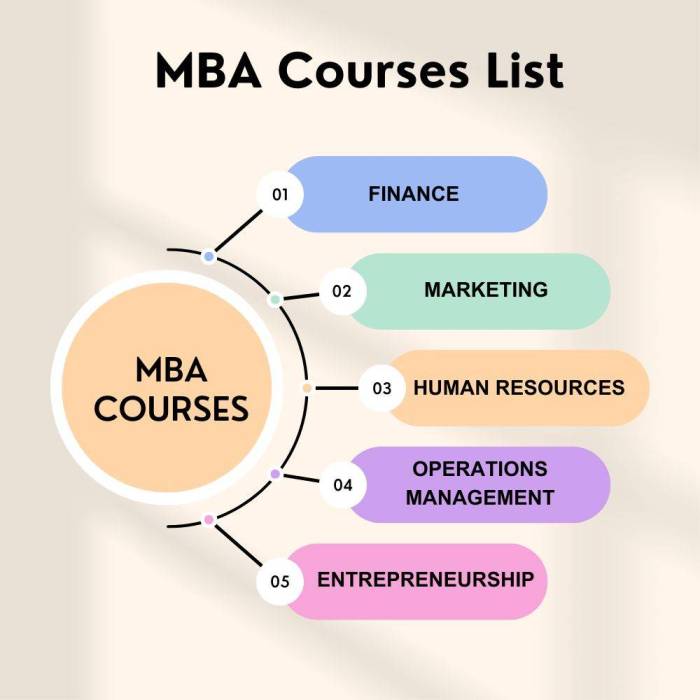
Source: gsbl.in
In today’s fast-paced business environment, technology is not merely a tool but a fundamental driver of success. It has transformed the way companies operate, interact with customers, and manage resources. The integration of technological advancements into business operations has enhanced efficiency, improved decision-making, and opened up new avenues for growth. As we delve into the role technology plays in modern business practices, it’s vital to recognize how companies leverage these advancements to gain a competitive edge.Technological advancements are reshaping business operations across all sectors.
Automation, data analytics, cloud computing, and artificial intelligence (AI) are just a few examples of innovations that have revolutionized traditional business processes. For instance, automation tools streamline repetitive tasks, allowing employees to focus on more strategic initiatives. Data analytics provide valuable insights into customer preferences and market trends, enabling businesses to tailor their offerings effectively. Cloud computing has facilitated remote work and collaboration, making it easier for teams to communicate and share resources regardless of location.
Examples of Successful Technology Integration
Many organizations have successfully integrated technology management into their operations, demonstrating the potential for increased productivity and innovation. Here are a few notable examples:
- Amazon: The company uses sophisticated algorithms and AI to personalize customer experiences and optimize supply chain operations. Automated warehouses equipped with robotics allow for faster order fulfillment, showcasing the impact of technology on logistics.
- Netflix: Through data analytics, Netflix analyzes viewer behavior to recommend content tailored to individual preferences, significantly enhancing user engagement and satisfaction. This strategic use of technology has been pivotal in its growth and customer retention.
- Tesla: Tesla’s use of advanced technologies in manufacturing and product development, including AI and machine learning for self-driving capabilities, showcases how technology can redefine industry standards. Their focus on innovation has positioned them as leaders in the automotive sector.
Relevant Technology Trends for MBA Students, MBA In Technology Management
To thrive in the evolving business landscape, MBA students must stay updated on various technology trends that are shaping the industry. Understanding these trends is crucial for effective management and strategic planning. Here are some key trends:
- Artificial Intelligence: The rise of AI is transforming decision-making processes, enhancing customer interactions, and creating efficiencies in operations across various industries.
- Blockchain: This technology offers secure and transparent transaction systems, which is being increasingly adopted by sectors like finance, supply chain management, and healthcare.
- Internet of Things (IoT): Devices connected through IoT enable businesses to gather real-time data, improving operational efficiency and customer experience.
- Big Data Analytics: Companies harness large volumes of data to uncover insights that drive strategic decisions, providing a competitive edge in the market.
- Remote Work Tools: As businesses adapt to hybrid work models, tools that facilitate remote collaboration are becoming essential for productivity and team cohesion.
“Technology is best when it brings people together.” – Matt Mullenweg
Case Studies of Successful Technology Management

Source: mbastack.org
Successful technology management is pivotal for organizations striving to innovate and maintain a competitive edge. This section delves into real-world examples of technology management projects that have yielded significant benefits, detailing the methodologies employed and analyzing the outcomes that transformed these businesses.
Case Study: Netflix’s Technology Transformation
Netflix transitioned from a DVD rental service to a leading streaming platform through strategic technology management. The company’s use of cloud computing, specifically Amazon Web Services (AWS), enabled it to scale rapidly and efficiently adapt to user demands. The methodology involved adopting microservices architecture, allowing different teams to develop, deploy, and scale their services independently. Key outcomes from this transformation included:
- Increased user engagement due to personalized content recommendations powered by advanced algorithms.
- Reduction of operational costs by migrating to a cloud infrastructure, resulting in savings estimated at over $1 billion annually.
- Substantial growth in subscriber base, moving from 23 million in 2011 to over 200 million by 2021.
These changes not only improved operational efficiency but also significantly enhanced customer satisfaction and loyalty.
Case Study: IBM’s Watson in Healthcare
IBM’s Watson has been a game-changer in the healthcare sector, demonstrating the effective management of artificial intelligence in clinical settings. By employing machine learning and natural language processing, Watson analyzes vast amounts of medical data to provide evidence-based treatment recommendations.The project utilized agile development methodologies, allowing IBM to rapidly iterate and improve Watson’s capabilities based on user feedback and emerging healthcare needs.
The results included:
- Improved diagnostic accuracy and faster treatment decisions in oncology.
- Partnerships with hospitals, enhancing patient care across various institutions.
- A significant reduction in the time required for physicians to analyze patient data, leading to better outcomes.
Watson’s implementation exemplifies how technology can enhance decision-making in critical sectors.
Case Study: Siemens’ Digital Twin Technology
Siemens has leveraged digital twin technology to optimize its manufacturing processes. A digital twin is a virtual representation of a physical product or system, allowing for real-time monitoring and simulation of performance.Siemens employed a systematic approach to integrate digital twins across its operations, utilizing data analytics and IoT (Internet of Things) to inform decision-making. The impact of this initiative is evident in:
- Increased operational efficiency, with production times reduced by up to 30%.
- Enhanced product quality through predictive maintenance, which minimizes downtime.
- Significant cost savings in resource management and energy consumption.
This case highlights the transformative potential of integrating technology into traditional manufacturing.
Case Study: Zara’s Supply Chain Optimization
Zara, the global fashion retailer, has effectively managed technology to revolutionize its supply chain. By implementing a sophisticated inventory management system that utilizes real-time data, Zara can quickly respond to fashion trends and customer demands.The methodology focuses on rapid prototyping and just-in-time production, allowing Zara to reduce lead times dramatically. Notable outcomes include:
- Ability to design, produce, and deliver new clothing styles to stores within weeks.
- Improved sales forecasting accuracy, leading to better inventory turnover rates.
- Reduced markdowns on unsold inventory, maximizing profit margins.
Zara’s approach showcases how timely technological investments can enhance retail performance.
“Successful technology management is not just about adopting new tools but about transforming how businesses operate and engage with customers.”
Networking and Professional Development Opportunities

Source: mbastack.org
Establishing a robust professional network is pivotal for MBA students specializing in Technology Management. This field continuously evolves, merging business acumen with technical expertise, making connections essential for career progression. Engaging with peers, industry leaders, and alumni can open doors to opportunities, collaborations, and valuable insights that enhance both personal and professional growth.Networking opportunities available for MBA students in Technology Management are abundant and varied.
Students can benefit from joining industry-specific associations, participating in networking events, and utilizing online platforms. These connections not only bolster one’s resume but also provide access to insider knowledge and job leads.
Industry Conferences and Seminars
Attending industry conferences and seminars is crucial for MBA students in Technology Management to stay abreast of the latest trends and innovations. These events serve as a melting pot for thought leaders, innovators, and practitioners who share their experiences and insights. Engaging in these gatherings allows students to learn from case studies, panel discussions, and workshops, providing a comprehensive view of the technology landscape.Benefits of attending industry conferences include:
- Exposure to Cutting-Edge Technologies: Students gain firsthand knowledge of the latest tools and processes shaping the industry.
- Networking with Professionals: Direct interaction with industry leaders can lead to mentorship opportunities and job placements.
- Workshops and Skill Development: Many conferences offer hands-on sessions that allow students to enhance their technical and management skills.
- Access to Research and Case Studies: Attendees often receive exclusive insights into successful strategies and innovative practices from leading companies.
Mentorship Programs
Mentorship programs are invaluable for students aiming to navigate their career path in Technology Management. These programs connect students with experienced professionals who offer guidance, share industry insights, and provide support in setting career goals. The relationship fostered through mentorship can significantly influence a student’s career trajectory.The advantages of participating in mentorship programs include:
- Personalized Guidance: Mentors provide tailored advice based on their experiences, helping students make informed decisions.
- Expanded Professional Network: Mentors often introduce mentees to their own networks, opening additional avenues for career advancement.
- Skill Development: With a mentor’s support, students can identify and cultivate essential skills needed in the technology sector.
- Increased Confidence: Regular interactions with a mentor can help students build confidence in their abilities and career choices.
“Networking is not just about connecting people. It’s about connecting people with people, people with ideas, and people with opportunities.”
Future Trends in Technology Management Education
As technology continues to evolve at a rapid pace, the landscape of technology management education is also undergoing significant transformations. These changes are driven by advancements in technology, the need for new skill sets, and the evolution of business practices. Emphasizing these emerging trends is crucial for preparing future leaders in technology management who are equipped to navigate the complexities of the modern business environment.
Emerging Topics Shaping Technology Management Education
Several emerging topics are likely to shape the future of technology management education. These topics reflect the growing importance of integrating advanced technologies and innovative practices into business strategies. Key areas include:
- Sustainability and Green Technology: With a global focus on sustainability, technology management programs are increasingly incorporating environmental considerations into their curricula. This includes exploring renewable energy technologies, sustainable supply chain management, and eco-friendly product development.
- Cybersecurity Management: As businesses become more digital, the need for robust cybersecurity measures is paramount. Programs are now emphasizing cybersecurity management, teaching students how to protect information systems from emerging threats.
- Blockchain Technology: Understanding blockchain and its applications in various industries is becoming essential. Technology management education is starting to integrate blockchain concepts to prepare graduates for roles in finance, supply chain, and beyond.
- Remote Work Technologies: The shift to remote work has accelerated the adoption of collaboration tools and technologies. Education programs are adapting to teach students how to manage teams and projects in a hybrid work environment.
Integration of Artificial Intelligence and Data Analytics
The integration of artificial intelligence (AI) and data analytics into technology management curricula is becoming a central focus. As organizations increasingly rely on data-driven decision-making, understanding how to leverage these technologies is vital for future managers. Key aspects include:
- AI Applications in Business: Courses are incorporating real-world applications of AI, such as automated customer service, predictive analytics, and machine learning algorithms, enabling students to understand their impact on business operations.
- Data-Driven Strategies: Students are being taught how to analyze data to inform strategic decisions. Emphasis is placed on using data visualization tools and techniques to communicate findings effectively.
- Ethics in AI: As AI technologies raise ethical questions, programs are addressing the ethical implications of AI deployment. This prepares students to consider the social responsibilities of technology management.
Importance of Lifelong Learning for Technology Managers
In the rapidly evolving landscape of technology, lifelong learning has become a critical component for success in technology management. Professionals are expected to continually update their skills to keep pace with technological advancements.
- Adapting to Change: The fast-paced nature of technology necessitates ongoing education, ensuring that managers can adapt to new tools, processes, and methodologies.
- Professional Certifications: Many technology managers pursue certifications in specialized areas, such as data science, cybersecurity, or cloud computing, to enhance their expertise and marketability.
- Networking and Collaboration: Engaging in professional development opportunities, such as conferences and workshops, fosters networking and knowledge sharing, allowing managers to learn from industry leaders and peers.
Global Perspective on Technology Management
In today’s interconnected world, technology management strategies must adapt to the complexities and opportunities presented by globalization. Organizations are no longer constrained by geographic boundaries, allowing for a broader range of technology implementations and collaborations. Understanding the global landscape is vital for leaders who wish to leverage technology effectively in their business operations.The implications of globalization on technology management strategies are profound.
Companies must navigate diverse regulatory environments, cultural nuances, and varying levels of technological infrastructure across countries. This requires a comprehensive approach that not only considers local market needs but also integrates global best practices. As organizations expand their reach, the role of technology in facilitating efficient international business operations becomes increasingly critical.
Impacts of Globalization on Technology Management
Globalization has fundamentally reshaped how businesses approach technology management. Several implications arising from this shift include:
- Increased Competition: Businesses are now competing with firms worldwide, requiring them to adopt advanced technologies to maintain a competitive edge.
- Access to Global Talent: Companies can tap into a diverse pool of skilled professionals, enhancing innovation and problem-solving capabilities.
- Scalability of Operations: Globalization allows firms to scale operations more quickly by utilizing cloud technologies and remote collaboration tools.
- Cultural Adaptation: Successful technology management now necessitates an understanding of local cultures, as technology adoption varies significantly across regions.
- Regulatory Compliance: Organizations must ensure that their technology strategies comply with varying international laws and regulations, which can impact data security and privacy.
Role of Technology in International Business Operations
Technology plays a crucial role in enhancing the efficiency and effectiveness of international business operations. It streamlines processes, facilitates communication, and enables data-driven decision-making across borders. Key areas where technology has transformed international business operations include:
1. Communication Tools
Platforms like Slack and Microsoft Teams allow seamless communication among global teams, reducing delays in decision-making and fostering collaboration.
2. Supply Chain Management
Technologies such as blockchain and IoT improve transparency and efficiency in supply chains, ensuring timely delivery of products worldwide.
3. E-commerce
Digital platforms enable businesses to reach international customers, expanding their market reach without the need for physical stores.
4. Data Analytics
Advanced analytics tools allow companies to make informed decisions based on real-time data from various markets, tailoring strategies to meet local demands.
Cross-Border Technology Management Practices
Many organizations have successfully implemented cross-border technology management practices that illustrate the power of globalization in technology strategy. Examples of these practices include:
Coca-Cola’s Global ERP System
The beverage giant employs a unified Enterprise Resource Planning (ERP) system to manage operations across multiple countries, ensuring consistency and efficiency in their supply chain and financial reporting.
Siemens’ Global Innovation Networks
Siemens utilizes collaborative platforms to connect R&D teams worldwide, fostering innovation through shared knowledge and resources.
IBM’s Cloud Services
With a global cloud infrastructure, IBM supports clients across different regions, allowing for scalable and flexible technology solutions that adapt to local needs.
Airbnb’s Localization Strategies
The company employs localized technology solutions that cater to specific markets, ensuring that their platform aligns with regional regulations and cultural preferences.Through these examples, it is evident that effective technology management in a global context requires an agile approach that embraces cultural diversity and regulatory complexities while fostering innovation and collaboration across borders.
Ending Remarks: MBA In Technology Management
In summary, the MBA In Technology Management is more than an academic credential; it is a gateway to understanding the nexus of technology and business strategy. As we explored the skills and opportunities this degree offers, it became evident that those who pursue this path are well-equipped to lead organizations into the future. The blend of technical knowledge and managerial expertise ensures that graduates are not just participants in the tech landscape but influential leaders driving innovation.
FAQ Overview
What is the core curriculum of an MBA in Technology Management?
The core curriculum typically includes subjects like project management, data analytics, strategic technology management, and innovation management.
What career opportunities are available after completing this degree?
Graduates can pursue roles such as technology manager, IT consultant, product manager, and operations manager, among others.
How does this specialization differ from a traditional MBA?
This specialization emphasizes technology integration and management, while a traditional MBA covers broader business principles.
Are there networking opportunities available for students?
Yes, students can access various networking events, industry conferences, and alumni connections to enhance their professional growth.
What is the importance of lifelong learning in this field?
Lifelong learning is crucial due to the rapid pace of technological change, ensuring professionals remain up-to-date with industry trends and innovations.