MBA In Consulting Career Path Unveiled for Success
MBA In Consulting Career Path sets the stage for a dynamic exploration of how an MBA can shape your journey in the consulting world. In today’s competitive landscape, obtaining an MBA is more than just a degree; it’s a powerful tool that equips graduates with essential skills and insights necessary for thriving in diverse consulting roles. With a blend of analytical prowess, leadership qualities, and a vast network, MBA graduates are poised to tackle complex challenges across various industries.
As consulting continues to evolve, understanding the skills and strategies that define success in this field becomes crucial. This guide dives into the core competencies developed through MBA programs, Artikels typical career progression, and offers practical advice for navigating the consulting landscape, ensuring that aspiring consultants are well-prepared for their future.
Overview of MBA in Consulting Career Path

Source: universities.com
The MBA in Consulting career path is a highly sought-after route for professionals aiming to excel in the dynamic and strategic world of consulting. An MBA program equips individuals with essential business acumen and analytical skills, making them valuable assets in various industries. This path not only enhances career prospects but also provides networking opportunities and insights into the consulting landscape.The importance of an MBA in consulting cannot be overstated.
It serves as a strong foundation for understanding complex business problems and crafting effective solutions. MBA programs typically focus on critical thinking, problem-solving, and strategic planning—skills that are directly applicable in consulting roles. Moreover, the collaborative projects, case studies, and hands-on experiences found in MBA programs mirror real-world consulting scenarios, preparing graduates for the challenges they will face.
Fundamental Skills Acquired Through an MBA Program
An MBA program imparts several crucial skills that are integral to a successful consulting career. These skills not only enhance individual capabilities but also add significant value to potential employers. Key skills include:
- Analytical Thinking: The ability to dissect complex information and generate actionable insights is paramount in consulting. MBA programs cultivate analytical proficiency through rigorous coursework and practical projects.
- Communication Skills: Effective communication is essential for conveying ideas and influencing stakeholders. MBA graduates often master both verbal and written communication techniques, maximizing their impact in client interactions.
- Leadership and Teamwork: Consulting projects require collaboration across diverse teams. MBA programs emphasize leadership development, preparing graduates to lead initiatives and motivate team members toward common goals.
- Strategic Planning: Consultants must develop actionable strategies based on comprehensive market and business analysis. MBA curricula typically include strategic management courses that teach graduates how to formulate and implement effective plans.
Industries for MBA Graduates as Consultants
MBA graduates can pursue consulting roles across various industries, reflecting the versatility of their training. The following industries are particularly ripe for consulting opportunities:
- Management Consulting: This broad field encompasses advising organizations on strategy, structure, and operations, helping them to enhance performance and achieve objectives.
- Financial Services: Consultants in this sector work with banks, investment firms, and insurance companies to improve efficiency, compliance, and customer satisfaction.
- Healthcare: With ongoing transformations in healthcare delivery and policy, consultants help organizations navigate complexities and implement best practices.
- Information Technology: As technology evolves, IT consultants provide insights on software implementation, cybersecurity, and digital transformation initiatives.
- Human Resources: HR consultants focus on workforce management, talent acquisition strategies, and organizational development to drive employee engagement.
The skills acquired through an MBA program empower graduates to analyze, strategize, and implement solutions that drive business success in diverse consulting environments.
Core Skills Developed Through an MBA
An MBA program equips students with a variety of essential skills that are particularly beneficial for a career in consulting. These skills range from analytical abilities to leadership qualities, all of which are crucial for successfully navigating the complexities of business challenges. Understanding the core skills developed during an MBA can help prospective students appreciate the value of their education and how it translates to real-world applications in the consulting field.One of the primary focuses of an MBA is the development of analytical skills.
Analytical skills allow MBA graduates to dissect complex problems, interpret data effectively, and derive actionable insights. These competencies are critical in consulting, where professionals are often tasked with identifying the root causes of business issues and formulating strategic recommendations. Through case studies, quantitative research, and data analysis projects, students learn to apply various analytical techniques that enhance their decision-making processes.
Leadership Qualities Enhanced in MBA Graduates
An MBA program also places significant emphasis on developing leadership qualities. Effective leadership is paramount in the consulting industry, where professionals must inspire teams, influence stakeholders, and drive organizational change. MBA courses often include group projects, leadership seminars, and experiential learning activities that foster collaboration and interpersonal dynamics. Graduates emerge from these programs with the ability to lead diverse teams, navigate conflicts, and communicate a clear vision.
Soft Skills Crucial for a Career in Consulting
In addition to analytical and leadership skills, soft skills play a vital role in the success of consultants. These interpersonal skills are essential for building relationships with clients and working effectively within teams. The following is a list of soft skills that are particularly important for a career in consulting:
- Effective Communication: The ability to convey ideas clearly and persuasively is essential for engaging clients and presenting findings.
- Team Collaboration: Working well in teams ensures that diverse perspectives are integrated into problem-solving efforts.
- Adaptability: The consulting landscape is ever-changing, requiring professionals to quickly adjust to new challenges and environments.
- Emotional Intelligence: Understanding and managing one’s emotions and those of others aids in maintaining positive relationships and navigating workplace dynamics.
- Negotiation Skills: Strong negotiation abilities facilitate successful outcomes in client agreements and team discussions.
- Time Management: Balancing multiple projects and deadlines is crucial in a fast-paced consulting environment.
These soft skills complement the analytical and leadership capabilities developed during an MBA, creating well-rounded professionals who are equipped to tackle the challenges of the consulting industry effectively.
Typical Career Progression for MBA Graduates in Consulting
The career trajectory for MBA graduates entering the consulting field is dynamic and offers ample opportunities for professional growth. With a solid educational background and a set of essential skills, these graduates embark on a path that often leads to significant leadership roles within a relatively short timeframe. Understanding the typical career progression, including entry-level positions and subsequent advancements, sheds light on the consulting landscape.
Entry-Level Positions for MBA Graduates in Consulting
Upon completing their MBA, graduates typically start their careers in consulting as Associates or Analysts. These entry-level roles are crucial as they provide foundational experience in problem-solving, client interaction, and project management. Associates often work in teams, collaborating with senior consultants to conduct research, analyze data, and support client projects.
Career Advancement Timeline in Consulting
The career progression timeline in consulting can vary, but a general advancement pathway is Artikeld as follows:
- Years 1-2: Entry-Level Associate/Analyst
- Years 2-4: Consultant
- Years 4-6: Senior Consultant
- Years 6-8: Manager
- Years 8-10: Principal/Director
- Years 10+: Partner/Executive
This timeline reflects a typical progression, where individuals often receive promotions based on performance, leadership potential, and contributions to the firm.
Consulting Roles Available
Within the consulting domain, there are several specialized roles that MBA graduates can pursue, each focusing on different aspects of business strategy and operations. Understanding these roles is essential for graduates to align their career goals with market demands. The primary consulting roles include:
- Management Consultant: Focuses on improving an organization’s overall performance by analyzing business problems and developing strategies.
- Strategy Consultant: Works on long-term strategies to drive growth and competitive advantage, often involving market analysis and operational planning.
- Operations Consultant: Specializes in optimizing an organization’s internal processes for efficiency and effectiveness.
- Human Resources Consultant: Aids organizations in managing talent and organizational structure, focusing on workforce strategies.
- Financial Consultant: Provides expertise in financial planning, risk management, and investment strategies for businesses.
These roles not only cater to various interests and strengths but also allow for specialization as consultants gain experience and insight into specific industries or business functions.
The consulting career path is characterized by rapid development and opportunities for leadership, making it an attractive choice for MBA graduates.
Networking and Relationship Building

Source: lerna.courses
Networking and relationship building are pivotal elements in the journey of an MBA student aspiring to a career in consulting. The process of forging connections can significantly enhance opportunities, provide crucial insights, and shape a successful career path. Effective networking not only opens doors to job opportunities but also allows you to gain valuable knowledge from seasoned professionals in the field.Building a robust network during your MBA program can be approached through various strategies.
Engaging with peers, faculty, and industry leaders can lay the groundwork for lasting professional relationships. The importance of mentorship should not be underestimated, as a mentor can offer guidance, share experiences, and help navigate the complexities of the consulting world. Finding the right mentor involves identifying individuals whose career paths align with your aspirations and who are willing to invest time in your development.
Strategies for Effective Networking
Establishing a solid network during your MBA program requires a proactive approach. Here are some practical strategies to enhance your networking efforts:
- Attend Networking Events: Participate in workshops, seminars, and industry conferences to meet like-minded individuals and professionals.
- Leverage Alumni Networks: Connect with alumni from your program, as they can provide insights and introductions to their professional circles.
- Utilize LinkedIn Effectively: Maintain an active LinkedIn profile, share relevant content, and engage with posts from industry professionals.
- Join Professional Associations: Become a member of consulting-related organizations to gain access to exclusive networking opportunities and resources.
- Participate in Case Competitions: Involvement in competitions not only sharpens your consulting skills but also exposes you to industry leaders judging or mentoring the events.
The Significance of Mentorship
Mentorship plays a crucial role in professional development, particularly in consulting. A mentor can provide personalized advice, valuable connections, and insights into industry trends. Identifying a mentor involves several key steps:
- Identify Potential Mentors: Look for professionals with significant experience in consulting or related fields who have a track record of mentoring others.
- Initiate Contact: Reach out with a clear, concise message outlining your interest in the field and a request for a mentorship meeting.
- Demonstrate Commitment: Show your eagerness to learn and grow by being proactive in the mentorship relationship, such as asking insightful questions and following up on discussions.
- Build a Reciprocal Relationship: Offer value to your mentor by sharing relevant articles, insights, or even assisting them in their projects when possible.
Structured Approach to Building Relationships
Establishing relationships with industry professionals requires a structured approach to yield optimal results. Here’s a methodical way to build these connections:
- Research Professionals: Identify individuals in your desired industry or companies and gather information about their career paths and areas of expertise.
- Engage with Content: Comment on and share their articles or posts to initiate a dialogue and demonstrate your interest in their work.
- Request Informational Interviews: Politely ask for a brief meeting to discuss their career journey and insights into the consulting industry.
- Follow Up: After initial contact, send a thank-you note reiterating your appreciation for their time and insights, which helps to solidify the relationship.
- Stay Connected: Maintain contact through occasional messages or by sharing relevant information, ensuring you remain on their radar.
“Networking is not just about what you know but who you know. Building a strong network can be the key to unlocking opportunities in consulting.”
Job Search Strategies for MBA Graduates
Navigating the job market as an MBA graduate can be challenging, especially in the competitive field of consulting. To stand out, it’s essential to employ effective job search strategies that highlight your qualifications and connect you with the right opportunities. This section will delve into crafting a compelling resume, the best job search resources, and the significance of securing internships.
Crafting a Compelling Resume for Consulting Roles
Creating a resume tailored for consulting positions is crucial in making a strong first impression. A well-structured resume should showcase relevant experience, skills, and accomplishments concisely. Key components to include are:
Contact Information
Always keep your contact details up to date, including phone number and LinkedIn profile.
Summary Statement
A brief overview of your professional background and what you bring to a consulting role, ideally in two to three sentences.
Education
Clearly state your MBA program, specialization, and any honors received.
Relevant Experience
Focus on projects and roles that demonstrate your analytical, problem-solving, and leadership skills. Use quantifiable achievements to illustrate your impact, using metrics where possible.
Core Skills
Highlight skills that are relevant to consulting, such as strategic thinking, data analysis, and client management.
Professional Affiliations
Mention any consulting clubs or organizations you are a part of, as this shows engagement with the industry.Make sure to tailor your resume for each application by incorporating s from the job description, ensuring it aligns with the specific consulting firm’s requirements.
Effective Job Search Resources for MBA Consulting Careers
Utilizing the right job search resources can significantly enhance your chances of finding a suitable consulting role. Here are several effective platforms and resources to consider:
Career Services at Your Business School
Leverage the resources offered by your MBA program, including job boards and recruitment events.
Consulting Firm Websites
Regularly check the careers section of leading consulting firms such as McKinsey, Bain, and BCG for job openings.
Networking Events and Conferences
Attend industry-specific events to connect with professionals and learn about job opportunities.
Online Job Portals
Websites like LinkedIn, Glassdoor, and Indeed feature job listings specifically for consulting roles.
Alumni Networks
Tap into your school’s alumni network to gain insights and potential job leads in the consulting field.Being proactive and consistently exploring these resources will provide a competitive edge in your job search.
The Importance of Internships and Securing Them
Internships play a vital role in the career development of MBA graduates aiming for consulting positions. They provide practical experience and a deeper understanding of the industry. Here’s why securing an internship is essential:
Hands-On Experience
Internships allow you to apply theoretical knowledge in real-world settings, enhancing your problem-solving capabilities.
Networking Opportunities
Internships enable you to build relationships with professionals already in the consulting field, which can lead to job referrals and mentorship.
Skill Development
Engaging in meaningful projects during an internship helps you refine the skills required in consulting.
Resume Enhancement
Having an internship at a reputable consulting firm on your resume signals to employers that you have relevant experience and can contribute immediately.To secure an internship, focus on the following strategies:
Start Early
Research and apply for internships well in advance, as many programs have early deadlines.
Leverage Your Network
Use connections from your MBA program to reach out to alumni or professionals within your desired firms.
Tailor Application Materials
Similar to securing a full-time role, customize your resume and cover letter for each application, emphasizing relevant experiences.
Prepare for Interviews
Practice case studies and behavioral questions, as these are commonly used in the consulting interview process.By following these job search strategies, MBA graduates can effectively navigate the competitive landscape of consulting careers and position themselves for success.
Real-World Applications of MBA Knowledge in Consulting
Source: gsbl.in
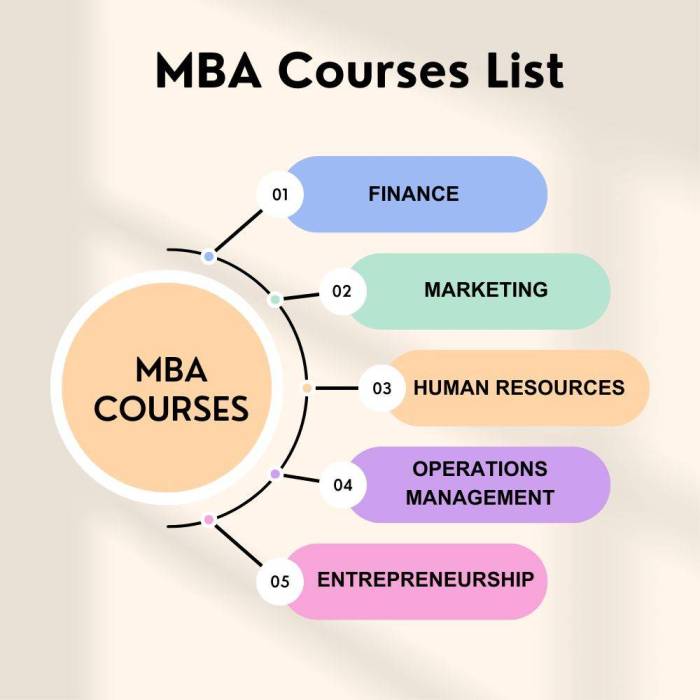
The integration of MBA knowledge into consulting practices is a dynamic process that showcases the practical implications of theoretical frameworks. MBA graduates leverage their academic training to address complex business challenges through analytical thinking, strategic planning, and problem-solving techniques. This section delves into how this theoretical knowledge is employed in real consulting projects, providing insights into case studies that highlight successful interventions and identifying the tools and methodologies commonly utilized in the industry.
Application of Theoretical Knowledge in Consulting Projects
In consulting, theoretical knowledge is transformed into actionable strategies. MBA graduates apply concepts from finance, marketing, operations, and strategy to real-world problems faced by clients. For instance, a consultant may use financial modeling techniques learned during their MBA to evaluate a company’s profitability or market entry strategy. Such applications not only validate the relevance of MBA curricula but also demonstrate the effectiveness of theoretical frameworks in real-life scenarios.
A notable example is the application of the SWOT analysis (Strengths, Weaknesses, Opportunities, Threats) in consulting projects. Consultants utilize this tool to assess a client’s internal capabilities and external market conditions, guiding strategic decisions. Furthermore, data-driven decision-making, often a core component of MBA programs, helps consultants analyze vast amounts of market information, delivering insights that shape client strategies.
Case Studies Illustrating Successful Consulting Interventions, MBA In Consulting Career Path
Examining real case studies provides valuable insights into the efficacy of consulting interventions. One striking example involves a large retail chain facing declining sales. A consulting firm conducted an in-depth analysis using customer segmentation frameworks and identified untapped market segments. By implementing targeted marketing strategies derived from this analysis, the retail chain successfully increased its customer base and boosted sales by 25% over two years.Another case study features a technology startup struggling to scale its operations.
By applying Lean Six Sigma methodologies, consultants helped streamline processes, reduce waste, and enhance productivity. The startup not only doubled its operational efficiency but also secured additional funding based on improved performance metrics. These case studies underscore the practical applications of MBA concepts and the transformative impact of consulting work.
Common Tools and Methodologies Used in Consulting Practices
Consulting professionals employ various tools and methodologies to enhance the effectiveness of their interventions. Understanding these tools is crucial for MBA graduates aspiring to succeed in consulting roles.The following tools and methodologies are commonly used:
- Porter’s Five Forces: A framework for analyzing the competitive forces within an industry, helping businesses understand their market position.
- Balanced Scorecard: A strategic management tool that measures organizational performance across multiple perspectives, including financial and non-financial metrics.
- PESTEL Analysis: A tool for analyzing the macro-environmental factors affecting an organization, encompassing Political, Economic, Social, Technological, Environmental, and Legal dimensions.
- Agile Methodology: A project management approach that promotes iterative progress, allowing teams to respond quickly to changes in project scope or client needs.
- Data Analytics Software: Tools like Tableau and Microsoft Power BI are utilized for data visualization and business intelligence, enabling consultants to derive actionable insights from complex datasets.
The use of these methodologies not only equips consultants with the necessary skills to navigate complex challenges but also enhances their ability to deliver measurable results for clients. This blend of theoretical knowledge and practical tools ensures that MBA graduates are well-prepared to make impactful contributions in the consulting field.
Challenges Faced by MBA Graduates in Consulting
The consulting industry is known for its dynamic environment and high expectations, which can present numerous challenges for MBA graduates entering the field. These obstacles often stem from the intense nature of consulting work, the requirement for rapid adaptation to various client needs, and the pressure to deliver high-quality results consistently. Understanding these challenges is essential for aspiring consultants to navigate their careers effectively.One of the primary challenges faced by MBA graduates in consulting is the steep learning curve associated with the role.
New consultants are often expected to quickly become proficient in various analytical tools and methodologies while simultaneously developing a deep understanding of the client’s business. This can be overwhelming, especially when combined with the demanding timelines often characteristic of consulting projects.
Common Obstacles in the Consulting Industry
Several common obstacles are encountered by MBA graduates as they begin their consulting careers. Recognizing these can help in strategizing for a successful entry into the field.
- High Expectations and Pressure: Consulting firms typically have rigorous performance standards. New hires may feel significant pressure to meet these expectations, which can lead to stress and burnout.
- Client Management Challenges: Dealing with diverse clients and their unique demands can be challenging. Navigating client personalities and expectations requires strong interpersonal skills and emotional intelligence.
- Workload and Time Management: The consulting role often involves long hours and tight deadlines. Managing multiple projects simultaneously can become overwhelming for new consultants, leading to potential conflicts in priorities.
- Adapting to Corporate Culture: Every consulting firm has its corporate culture, and adapting to this environment while maintaining one’s professional identity can be a challenge for newcomers.
Methods to Overcome Challenges During the Initial Phase
To effectively navigate these challenges, MBA graduates can adopt specific strategies that ease their transition into the consulting field. These methods include:
- Seek Mentorship: Establishing relationships with experienced consultants can provide valuable insights and guidance, helping new hires to navigate early obstacles.
- Invest in Continuous Learning: Engaging in ongoing training and professional development can help new consultants quickly build the necessary skills and knowledge to excel.
- Effective Time Management: Implementing strong organizational skills and prioritization techniques can help manage workloads and deadlines more effectively.
- Practice Stress Management: Utilizing mindfulness techniques and stress-relief strategies can mitigate the pressure that comes with the job.
Work-Life Balance Issues
Maintaining a healthy work-life balance is a significant challenge in the consulting industry, especially for MBA graduates new to the field. The demanding nature of consulting can often lead to long hours and diminished personal time. To address these balance issues, the following strategies can be adopted:
- Set Boundaries: Clearly defining work and personal time can help protect personal life from encroachment by work demands.
- Communicate Needs: Open communication with supervisors about workload and availability can lead to a better understanding of personal limits and expectations.
- Leverage Flexibility: Many consulting firms offer flexible work arrangements. Taking advantage of these can help manage personal needs alongside professional responsibilities.
- Engage in Hobbies: Dedicating time to hobbies and interests outside of work can provide a necessary mental break and help maintain overall well-being.
“It’s crucial for consultants to prioritize their well-being, as a balanced life leads to increased productivity and job satisfaction.”
Enduring and overcoming the challenges inherent in the consulting industry is essential for MBA graduates looking to build a successful career. By leveraging strategic approaches to navigate these obstacles, they can lay the groundwork for a fulfilling and impactful consulting career.
Future Trends in Consulting: MBA In Consulting Career Path
The consulting industry is undergoing significant transformations driven by technological advancements and shifting client needs. As businesses navigate an increasingly complex landscape, consulting firms are adapting to maintain their relevance and provide added value. This section delves into the future trends shaping the consulting domain, with a focus on technology’s impact, emerging areas of specialization, and the evolution of MBA programs to cater to these changes.
Impact of Technology on Consulting
Technology is revolutionizing the consulting landscape, enabling firms to enhance their service delivery and efficiency. Automation, artificial intelligence (AI), and data analytics are becoming integral tools used by consultants to derive insights and streamline processes. The incorporation of these technologies allows for more accurate predictions and strategic recommendations, ultimately benefiting client outcomes.Key impacts of technology in consulting include:
- Data-Driven Decision Making: Advanced analytics tools facilitate the gathering and interpretation of vast datasets, empowering consultants to make informed decisions based on concrete evidence.
- Automation of Routine Tasks: Automating repetitive tasks allows consultants to focus on high-value activities, enhancing productivity and effectiveness in client engagements.
- Enhanced Collaboration: Technology tools foster better communication and collaboration among team members and clients, breaking down geographical barriers.
- Virtual Consulting: The rise of remote work has established virtual consulting as a norm, allowing firms to operate globally without the constraints of physical offices.
Emerging Areas of Consulting
As the business landscape evolves, new areas of consulting are gaining traction. These emerging fields reflect the increasing complexity of modern challenges that organizations face, requiring specialized expertise. Some notable emerging areas include:
- Sustainability Consulting: With growing emphasis on environmental responsibility, businesses seek guidance on sustainable practices and compliance with regulations.
- Digital Transformation Consulting: Companies are transitioning to digital platforms, necessitating expert advice on integrating technology into their operations.
- Cybersecurity Consulting: As cyber threats escalate, firms are investing in security solutions, creating a demand for consultants specializing in risk management and data protection.
- Diversity and Inclusion Consulting: Organizations are prioritizing diversity initiatives, leading to an increase in consulting services focused on fostering inclusive workplace cultures.
Evolution of MBA Programs for Future Demands
To keep pace with the dynamic consulting environment, MBA programs are evolving to equip graduates with the necessary skills and knowledge. Curriculums are increasingly integrating technology and analytics training, ensuring that future consultants can leverage these tools effectively.Key developments in MBA programs include:
- Technology Integration: Courses now emphasize data analytics, machine learning, and digital strategy, reflecting the importance of these skills in consulting.
- Real-World Projects: Programs are incorporating hands-on consulting projects, allowing students to apply their knowledge to solve actual business problems.
- Interdisciplinary Approaches: Emphasis on cross-functional skills, combining business acumen with technical expertise, prepares graduates for diverse consulting roles.
- Focus on Soft Skills: Programs are recognizing the importance of leadership, communication, and relationship management skills, essential for effective consulting.
Concluding Remarks
In summary, the MBA In Consulting Career Path is not just a journey through academia; it’s a strategic move toward a fulfilling career that merges knowledge with real-world impact. By mastering essential skills, building a robust professional network, and staying attuned to industry trends, MBA graduates can confidently forge their paths in consulting. As the landscape of consulting shifts with technological advances and emerging sectors, being equipped with an MBA ensures that you’re not only ready for today but also prepared for the future.
FAQ Resource
What industries can I work in with an MBA in consulting?
With an MBA in consulting, you can work in various industries including healthcare, finance, technology, and management.
How important is networking during an MBA program?
Networking is crucial as it helps you build relationships that can lead to job opportunities and mentorship in consulting.
What are entry-level positions for MBA graduates in consulting?
Typical entry-level positions include analyst roles, junior consultant, and associate consultant.
How does technology impact consulting careers?
Technology is transforming consulting by introducing new tools and methodologies, enhancing efficiency and data analysis.
What common challenges do MBA graduates face in consulting?
Common challenges include high competition, long hours, and the need for continuous learning to keep up with industry changes.