MBA In Data Analytics And AI for Future Leaders
MBA In Data Analytics And AI opens up a world of opportunities for aspiring professionals eager to excel in a data-driven job market. This program equips students with the essential skills needed to harness the power of data analytics and artificial intelligence, enabling them to make informed decisions that drive business success. From mastering programming languages to developing soft skills like communication and teamwork, graduates are well-prepared for a variety of career paths in today’s dynamic landscape.
The curriculum delves into real-world applications, case studies, and the latest tools, creating a comprehensive learning experience that bridges theory and practice. Whether you aim to work in tech, finance, healthcare, or any other industry, this MBA provides the foundation for a successful career in data analytics and AI.
Overview of MBA in Data Analytics and AI
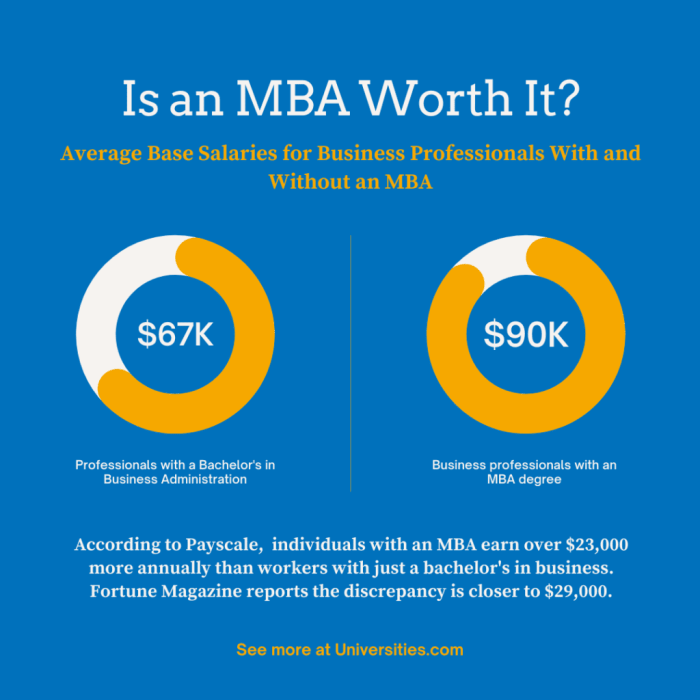
Source: universities.com
In an era marked by rapid technological advancement and data proliferation, an MBA in Data Analytics and AI has emerged as a crucial qualification for professionals aiming to bridge the gap between business strategy and data-driven insights. This program equips graduates with the necessary skills to analyze complex data sets, make informed decisions, and drive innovation within organizations. As businesses increasingly rely on data to guide their operations, the demand for skilled professionals in this field continues to rise.The curriculum of an MBA in Data Analytics and AI encompasses a wide range of topics designed to provide a comprehensive understanding of both data analysis and artificial intelligence.
Students engage with a blend of business management principles and technical knowledge, preparing them for leadership roles in data-centric environments. Core topics typically include advanced data analytics, machine learning, business intelligence, and strategic decision-making.
Core Curriculum Topics
The curriculum is crafted to ensure that students gain both theoretical knowledge and practical skills. Key subjects typically covered in the program include:
- Data Management and Data Warehousing: Understanding the architecture of data systems and the importance of data integrity.
- Machine Learning Techniques: Exploring algorithms that allow computers to learn from data and improve over time.
- Statistical Analysis: Learning to apply statistical methods to analyze and interpret data effectively.
- Business Intelligence Tools: Familiarizing with software and technologies that assist in data visualization and reporting.
- Ethics in Data Science: Discussing the ethical implications of data usage and AI applications in various industries.
This diverse curriculum ensures that graduates are not only adept at handling data but also understand the broader business context in which these analyses occur.
Potential Career Paths
Graduates with an MBA in Data Analytics and AI have a broad spectrum of career options available to them. The skills gained from this program open doors to various roles across multiple industries. Some of the notable career paths include:
- Data Analyst: Professionals who interpret data and provide actionable insights to drive business strategies.
- Business Intelligence Analyst: Specialists who leverage data analysis tools to improve organizational decision-making.
- Machine Learning Engineer: Experts who design and implement machine learning models to solve complex problems.
- Data Scientist: Individuals who use advanced analytics and machine learning to extract insights from large sets of structured and unstructured data.
- AI Consultant: Advisors who help organizations implement AI strategies and technologies effectively.
The demand for these positions is expected to grow, with companies across sectors seeking professionals who can harness the power of data and AI to gain competitive advantages. Notable companies like Amazon, Google, and IBM are continuously looking for talent in this area, reflecting the importance of an MBA in Data Analytics and AI in today’s job market.
Skills Developed Through MBA in Data Analytics and AI
The MBA in Data Analytics and AI equips students with a blend of technical and soft skills essential for navigating the complexities of modern data-driven environments. With an emphasis on both analytical capabilities and interpersonal skills, graduates emerge as well-rounded professionals ready to tackle challenges in various industries. This program creates a pathway to mastery in data interpretation and strategic decision-making.
Technical Skills Acquired
A wide range of technical competencies is developed throughout the MBA in Data Analytics and AI. These skills are crucial for analyzing data, interpreting results, and creating actionable insights. Key areas of focus include:
- Programming Languages: Proficiency in languages such as Python, R, and SQL is emphasized. These languages are fundamental for data manipulation, statistical analysis, and database management.
- Data Visualization: Students learn to use tools like Tableau, Power BI, and Matplotlib to create engaging visual representations of data. Effective visualization helps in communicating complex findings in a clear and impactful manner.
- Machine Learning Techniques: Understanding algorithms and predictive modeling is essential. Students explore machine learning frameworks like TensorFlow and Scikit-learn to build models that provide insights into data patterns.
- Big Data Technologies: Exposure to big data platforms such as Hadoop and Spark prepares students to handle large datasets efficiently, ensuring they can work with data at scale.
Soft Skills Emphasized
While technical skills form the backbone of data analytics expertise, soft skills are equally vital for career success. The MBA program fosters a variety of interpersonal skills necessary for effective collaboration and communication in diverse team settings. Important soft skills include:
- Communication: Articulating complex ideas clearly and persuasively to both technical and non-technical stakeholders is crucial. This includes writing reports, delivering presentations, and engaging in discussions.
- Teamwork: Collaborating with peers on projects simulates real-world working conditions. This enhances the ability to work with cross-functional teams, fostering an environment of collective problem-solving.
- Critical Thinking: Analyzing information, evaluating different approaches, and making informed decisions are emphasized. This skill is essential for identifying patterns and drawing conclusions from data.
- Adaptability: In a fast-evolving field like data analytics and AI, the ability to adjust to new technologies and methodologies is crucial for ongoing success.
Analytical Skills for Decision-Making
Analytical skills play a foundational role in the MBA in Data Analytics and AI, as they enable professionals to make data-driven decisions. Students are trained to approach problems with a critical mindset, employing various analytical techniques, including:
- Data Interpretation: Understanding the underlying meaning of data sets is vital. Students learn to extract key insights that influence strategic decisions.
- Statistical Analysis: Proficiency in statistical methods allows students to validate findings, assess data reliability, and use inferential statistics for making predictions.
- Predictive Analytics: Using historical data to forecast future trends is a key competency. Students become skilled in developing models that can guide business strategies.
- Problem-Solving Frameworks: Familiarity with frameworks such as SWOT analysis and the scientific method equips students to systematically approach and resolve business challenges.
Real-World Applications of Data Analytics and AI

Source: iulonline.in
In today’s fast-paced business environment, data analytics and AI have become indispensable tools for organizations aiming to maintain a competitive edge. These technologies enable companies to extract valuable insights from vast amounts of data, leading to informed decision-making and enhanced operational efficiency. The integration of analytics and AI into business practices has transformed how companies strategize and respond to market demands.Data analytics provides businesses with the ability to interpret trends, customer behavior, and market dynamics, while AI automates processes and enhances predictive capabilities.
Together, they empower organizations to optimize resources, tailor services, and innovate continually. Here, we explore specific examples and case studies that highlight their effectiveness across various industries.
Business Utilization of Data Analytics
Many businesses leverage data analytics for strategic decision-making, allowing them to gain insights that drive profitability and growth. A few notable examples include:
- Retail Analytics: Companies like Walmart utilize data analytics to manage inventory effectively, predict customer purchasing patterns, and optimize supply chains. For instance, Walmart analyzes historical sales data and local market trends to stock products that meet regional demands.
- Financial Services: Banks such as JPMorgan Chase employ data analytics to detect fraudulent transactions and assess credit risk. They analyze transaction patterns and customer profiles using machine learning algorithms to enhance security and improve lending decisions.
- Healthcare Forecasting: Organizations like the Mayo Clinic use data analytics to enhance patient care. By analyzing patient data, including treatment outcomes and medical histories, they can predict trends in patient admissions and allocate resources accordingly.
Case Studies Illustrating AI Impact
Various industries have witnessed significant transformations due to the integration of AI technologies. Here are some compelling case studies:
- Automotive Industry: Tesla utilizes AI for its self-driving technology, employing neural networks to process data from sensors and cameras. This allows the vehicle to navigate and make driving decisions in real-time, enhancing safety and user experience.
- Manufacturing Sector: Siemens has implemented AI-driven predictive maintenance solutions in their factories. By analyzing equipment data, they can predict failures before they occur, reducing downtime and maintenance costs significantly.
- Telecommunications: AT&T leverages AI for customer service through chatbots and virtual assistants. This has streamlined customer interactions, allowing users to resolve issues quickly while freeing up human agents for more complex inquiries.
Tools and Technologies in Data Analytics and AI, MBA In Data Analytics And AI
The effectiveness of data analytics and AI is further amplified by the use of various tools and technologies. Businesses typically employ a range of platforms and frameworks to implement these solutions. Below is a curated list of commonly used tools:
- Tableau: A leading data visualization tool that helps organizations analyze and visualize data through interactive dashboards.
- Pandas: A powerful Python library for data manipulation and analysis, particularly useful in data wrangling tasks.
- Apache Spark: An open-source framework for big data processing, known for its speed and scalability in handling large datasets.
- TensorFlow: A widely-used open-source library for machine learning and AI development, facilitating the creation of neural networks.
- Microsoft Azure AI: A cloud-based service that offers AI tools and capabilities for building and deploying machine learning models.
By embracing these applications and tools, organizations can maximize their data assets and foster a culture of innovation and agility in an ever-evolving marketplace.
Admission Requirements for MBA in Data Analytics and AI
Embarking on an MBA in Data Analytics and AI is an exciting opportunity for those eager to merge business acumen with cutting-edge technology. However, to secure admission into these competitive programs, candidates must meet specific prerequisites that demonstrate their readiness for the challenges ahead. Each institution has its own set of requirements, which often combine academic qualifications, professional experience, and standardized test scores.Standardized tests, such as the GMAT or GRE, play a significant role in the admission process.
These assessments provide a common measure to evaluate candidates from different educational backgrounds on their analytical and quantitative abilities. Scoring well on these tests can enhance a candidate’s application, showcasing their potential to excel in a rigorous MBA program.
Typical Admission Prerequisites
Various universities Artikel specific criteria for admission into their MBA in Data Analytics and AI programs. The most common requirements include:
- Educational Background: A bachelor’s degree from an accredited institution is typically mandatory, with a preferred focus on disciplines such as business, engineering, or computer science.
- Work Experience: Many programs require candidates to have several years of professional experience in a relevant field, ideally with a focus on data analysis or technology.
- Standardized Test Scores: Most universities require GMAT or GRE scores. Some programs may waive this requirement based on strong academic performance or relevant work experience.
- Letters of Recommendation: Applicants are usually asked to submit two or three letters from professional or academic references who can vouch for their qualifications and character.
- Personal Statement or Essay: A well-crafted personal statement detailing the candidate’s motivation, career goals, and how the program aligns with their aspirations is often required.
- Interview: Some universities may conduct interviews as part of the selection process to assess candidates’ fit for the program.
Significance of Standardized Tests
Standardized tests serve as a crucial component of the admission process for MBA programs. They help institutions gauge a candidate’s quantitative and analytical skills, which are vital for success in data analytics and AI fields. A strong score can set candidates apart in a pool of applicants.
“A high GMAT or GRE score can significantly enhance an applicant’s chances of admission, reflecting their readiness for the academic rigors of an MBA program.”
Comparison of University Requirements
Below is a comparison table highlighting the admission requirements for various universities offering an MBA in Data Analytics and AI:
| University | Bachelor’s Degree | Work Experience | Standardized Test | Recommendations | Personal Statement |
|---|---|---|---|---|---|
| University A | Required | 3 years preferred | GMAT/GRE required | 2 letters required | Required |
| University B | Required | 5 years preferred | GMAT/GRE optional | 3 letters recommended | Required |
| University C | Required | 2 years preferred | GMAT/GRE required | 2 letters required | Required |
| University D | Required | 3 years preferred | GMAT/GRE optional for strong candidates | 1 letter required | Required |
Financial Considerations for Pursuing an MBA
Pursuing an MBA in Data Analytics and AI involves several financial considerations that aspiring students need to keep in mind. Understanding the funding options available, evaluating the potential return on investment, and having a clear breakdown of costs will aid in making informed decisions regarding this significant educational investment.
Funding Options for Students
There are various funding options designed to support students looking to invest in their education. These options cater to different financial situations and can help alleviate some of the burden associated with tuition costs.
- Scholarships and Grants: Many universities offer scholarships specifically for MBA students in Data Analytics and AI, which can significantly reduce the overall financial burden.
- Federal Financial Aid: Students may qualify for federal loans and aid, which typically offer lower interest rates and flexible repayment options.
- Employer Sponsorship: Some companies provide financial assistance for employees pursuing an MBA, especially if the degree aligns with their career development goals.
- Private Loans: While these can cover remaining costs, they often come with higher interest rates and less favorable repayment terms than federal loans.
- Payment Plans: Many schools offer flexible payment plans that allow students to pay tuition in installments rather than a lump sum.
Return on Investment (ROI)
The ROI of an MBA in Data Analytics and AI can be substantial, as the skills acquired can lead to significant salary increases and career advancement opportunities.
“Graduates with an MBA in Data Analytics can see a salary increase of 30% to 60% compared to their pre-MBA earnings in many cases.”
For example, a recent graduate with an MBA in this field may start with a salary around $80,000, which could rise to over $120,000 within a few years. This wage growth is driven by the high demand for professionals skilled in data analysis and AI technology across various industries.
Cost Breakdown
Understanding the costs associated with an MBA in Data Analytics and AI is crucial for budgeting and financial planning. The following table summarizes some typical expenses:
| Expense Type | Estimated Cost |
|---|---|
| Tuition Fees | $40,000 – $100,000 |
| Books and Supplies | $1,000 – $2,500 |
| Technology Fees | $300 – $600 |
| Living Expenses | $15,000 – $30,000 per year |
| Miscellaneous Fees | $500 – $1,500 |
These figures can vary based on the institution, geographic location, and whether the program is full-time or part-time. It is essential for students to consider all these factors when planning their finances for an MBA.
Job Market Trends and Future Outlook
The job market for professionals in data analytics and artificial intelligence (AI) is rapidly evolving, driven by technological advancements and the increasing importance of data-driven decision-making in businesses across all sectors. As organizations strive to harness the power of data, the demand for skilled professionals who can analyze and interpret complex datasets is surging. This trend is not just a fleeting phase; it’s a fundamental shift in how businesses operate and make strategic decisions.Currently, the job market is witnessing a significant rise in roles that blend data analytics with AI capabilities.
Many companies are not only looking for data analysts but are also seeking data scientists, machine learning engineers, and AI specialists to help them leverage the full potential of their data. According to the U.S. Bureau of Labor Statistics, employment of data scientists and mathematical science occupations is projected to grow by 31% from 2019 to 2029, much faster than the average for all occupations.
This growth indicates a robust demand for expertise in data analytics and AI.
Current Job Market Trends
The current landscape of job opportunities in data analytics and AI is characterized by several key trends. Understanding these trends can help professionals in the field position themselves effectively.
- Expansion of Job Roles: Companies are increasingly creating specialized roles that require expertise in both data analytics and AI. Roles such as AI ethicists and data governance managers are becoming more common as organizations recognize the importance of responsible data use.
- Focus on Cross-Disciplinary Skills: Employers are seeking candidates with a blend of technical skills and business acumen. Skills such as critical thinking, effective communication, and an understanding of industry-specific challenges are becoming essential.
- Remote Work Opportunities: The shift towards remote work has opened up a broader talent pool for employers. Companies are now more willing to hire data professionals regardless of their geographical location, leading to increased competition for jobs.
- Emphasis on Ethics and Compliance: As data privacy concerns grow, there is a rising need for professionals who understand the ethical implications of AI and data usage. This includes knowledge of regulations such as GDPR and CCPA.
Future Industry Needs and Emerging Positions
As technology continues to advance, the future job market in data analytics and AI will likely see the emergence of new roles and a shift in the skills required. The following positions are predicted to gain prominence in the coming years:
- Data Privacy Managers: With increasing regulations around data use, organizations will require experts to navigate compliance issues and ensure customer data protection.
- AI Trainers: As AI systems become more sophisticated, there will be a demand for professionals who can train and refine these algorithms, ensuring they operate effectively and ethically.
- Augmented Analytics Specialists: The integration of AI into analytics tools will create a need for specialists who can interpret augmented analytics and translate insights into actionable business strategies.
The rise of industries such as healthcare, finance, and e-commerce will further fuel the need for data analytics professionals. For example, healthcare organizations are increasingly using predictive analytics to improve patient outcomes, which necessitates skilled analysts who can work with complex datasets.
Adaptation of MBA Programs
To stay relevant in the face of these changes, MBA programs in Data Analytics and AI are evolving continuously. They are incorporating the latest trends and technologies into their curriculum to prepare graduates for the future job market. Several adaptations are noteworthy:
- Curriculum Updates: Programs are routinely updated to include emerging technologies such as blockchain and advanced machine learning techniques, ensuring that students learn the most current practices in the field.
- Industry Partnerships: Collaborations with industry leaders provide students with real-world experience and networking opportunities, enhancing their employability post-graduation.
- Focus on Soft Skills: Recognizing the importance of communication and leadership in data roles, MBA programs are integrating soft skills training into their curricula to develop well-rounded professionals.
The dynamic nature of the data analytics and AI fields necessitates that MBA programs remain agile and responsive to industry changes. As technology continues to shape the business landscape, professionals equipped with an MBA in Data Analytics and AI will be poised to meet the demands of an evolving job market.
Networking Opportunities and Resources
Networking is a critical aspect of any MBA program, particularly in the rapidly evolving fields of Data Analytics and AI. Engaging with peers, industry professionals, and alumni can greatly enhance your learning experience and open doors to new career opportunities. Building a robust professional network while pursuing your MBA not only helps in gaining insights into the industry but also fosters relationships that can prove beneficial throughout your career.
Professional Organizations Related to Data Analytics and AI
Joining professional organizations is a strategic way to connect with like-minded individuals and industry leaders. These organizations often host events, workshops, and seminars that provide valuable networking opportunities. Here are a few notable organizations:
- INFORMS (Institute for Operations Research and the Management Sciences): Focused on advancing the theory and practice of operations research, analytics, and data science.
- IEEE (Institute of Electrical and Electronics Engineers): Offers resources and networking opportunities for professionals in technology and engineering, including data analytics and AI.
- ACM (Association for Computing Machinery): A leading organization in the computing field that provides a platform for networking with professionals in data science and AI.
- Data Science Society: A global community of data science enthusiasts that organizes hackathons, workshops, and meetups.
- AI for Good Foundation: Focuses on promoting the ethical use of AI technologies and offers networking opportunities within the AI community.
Methods for Building a Professional Network While Enrolled
Creating a professional network during your MBA program can be achieved through a variety of methods. Engaging in collaborative projects, attending seminars, and joining clubs are effective strategies.
- Participating in Group Projects: Collaborative assignments not only enhance your learning but also allow you to build connections with your classmates, many of whom may become valuable contacts in the future.
- Attending Networking Events: Many schools host events where students can meet alumni and industry professionals. These events provide an excellent platform to introduce yourself and learn from experienced individuals.
- Joining Relevant Clubs: Many MBA programs have clubs focused on analytics and data science. Participating in these clubs offers the chance to meet peers with similar interests and expand your network.
- Engaging on Social Media Platforms: Utilizing platforms like LinkedIn to connect with peers, faculty, and industry professionals can help you stay informed about trends and opportunities in the field.
- Contributing to Online Forums and Communities: Engaging in discussions on platforms like Reddit, or specialized forums can help you connect with industry experts and enthusiasts.
Importance of Internships and Practical Experiences
Internships and hands-on experiences are indispensable for enhancing career prospects in Data Analytics and AI. They provide real-world exposure to the industry and facilitate the application of theoretical knowledge gained during your studies.
“Internships bridge the gap between academic learning and practical application, giving students a competitive edge in the job market.”
Practical experiences allow students to:
- Gain Industry Insight: Internships provide a firsthand look at how organizations utilize data analytics and AI to solve real-world problems.
- Build Relevant Skills: Working on actual projects helps in developing critical technical skills and an understanding of industry tools and software.
- Establish Professional Connections: Internships often lead to networking opportunities with professionals who can provide mentorship or job leads.
- Enhance Employability: Employers often prefer candidates with practical experience, making internships a vital part of your career preparation.
- Explore Career Interests: Internships provide a safe environment to discover your strengths and preferences within the vast field of data analytics and AI.
Epilogue

Source: lerna.courses
In conclusion, pursuing an MBA In Data Analytics And AI not only enriches your skill set but also positions you at the forefront of an evolving job market. With an emphasis on both technical and analytical capabilities, along with networking opportunities, graduates are well-equipped to tackle future challenges and leverage technology for growth. Embrace the journey of learning and collaboration, and you’ll find that the possibilities are endless in this expanding field.
FAQ Section
What career paths can I pursue with this MBA?
Graduates can explore roles such as Data Analyst, Business Intelligence Analyst, Data Scientist, AI Specialist, and more across various industries.
Are there specific programming languages I should learn?
Yes, knowledge of languages such as Python, R, and SQL is often essential for success in data analytics and AI.
How important are internships in this program?
Internships provide practical experience and networking opportunities, significantly enhancing your career prospects upon graduation.
What is the typical duration of this MBA program?
Most programs can be completed in 1 to 2 years, depending on whether you study full-time or part-time.
Do I need a background in tech to apply?
No, while a tech background can be helpful, many programs welcome students from diverse academic and professional backgrounds.